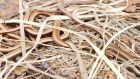
A Tangle of Slow-worms197 viewsphotographed at Foulshaw Moss
|
|
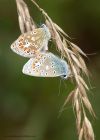
mating Common Blue butterflies (Image 4 of 10)187 viewsnow back to back (with him thinking she looks better from this angle )the manoeuvre is complete & docking successful
|
|
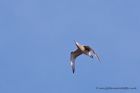
Curlew - Numenius arquata205 viewswell I think it's a Curlew, not easy to tell from this angle but it looks a big 'un, so I'm going with curlew
photographed@Marton Mere, Blackpool
|
|
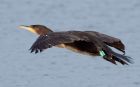
Cormorant227 viewsCGC is back! Elsewhere in this gallery is a photograph of this ringed bird, taken three months ago & also photographed inflight from the very same hide. This Cormorant was "ringed as Pullus, Puffin Island, Anglesey 13/07/2008".
|
|
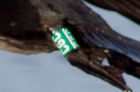
Cormorant227 viewsCGC is back! Elsewhere in this gallery is a photograph of this ringed bird, taken three months ago & also photographed inflight from the very same hide. This Cormorant was "ringed as Pullus, Puffin Island, Anglesey 13/07/2008".
|
|
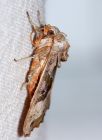
Angle Shades217 viewsphotographed at our home in Bispham, Blackpool
|
|
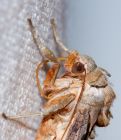
Angle Shades222 viewsphotographed at our home in Bispham, Blackpool
|
|
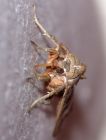
Angle Shades184 viewsphotographed at our home in Bispham, Blackpool
|
|
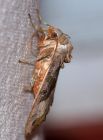
Angle Shades172 viewsphotographed at our home in Bispham, Blackpool
|
|
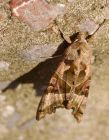
Angle Shades Phlogophora meticulosa Bispham Blackpool227 viewsphotographed in our garden in Bispham, Blackpool
|
|
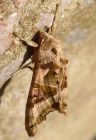
Angle Shades220 viewsphotographed in our garden in Bispham, Blackpool
|
|
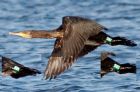
Cormorant212 viewsI noticed this Cormorant was ringed, so I brought the photo to the attention of Pete Marsh of LDBWS, a few emails later I was advised the Cormorant was "ringed as Pullus, Puffin Island, Anglesey 13/07/2008". Knowing something about the history of the bird makes what was otherwise just a record shot much more interesting.
|
|
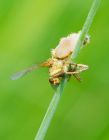
Yellow Dung Fly223 viewsThis Dung Fly appears to have been a victim of Entomophthora muscae fungus, which, "once the fungus is inside the fly it grows into the brain, causing a change in behavior.
Instead of acting normally, the fly crawls as high as possible on the branch, flower, stem or leaf it is on, spreads out its legs, stretches opens its wings and angles the abdomen away from the surface. This position improves the chances of the fungal spores leaving the dead fly and infecting new hosts"
|
|
|
|
|
|
|


